

Welcome back to our London neighbourhood series! Last week, we covered what actually matters when choosing where to live. This week, I'm taking you inside three neighbourhoods that consistently top young professionals' wish lists – and explaining why they've earned their reputations.
Clapham: Where London's Young Professionals Come to Network (And Party)
Walking down Clapham High Street on any Thursday evening feels like a conveyor belt of post-work drinks and networking sessions. This is where London's ambitious twenty and thirty-somethings have congregated for decades, and there's a reason the formula keeps working.
My friend Tom moved to Clapham North straight after university and never left. Five years later, his entire professional network traces back to conversations that started in local pubs, coffee shops, and that infamous Sunday league football team that meets on the Common every weekend.
What makes Clapham special:
The social infrastructure here is unmatched. Trinity, Bread & Roses, and The Falcon aren't just pubs – they're unofficial offices where deals get discussed and friendships form. The weekend brunch scene on Northcote Road creates natural networking opportunities. Even your morning coffee run becomes a chance encounter with someone from your industry.
But it's not all work and networking. Clapham Common provides proper green space that doesn't feel like a tourist attraction. Summer weekends see impromptu barbecues and sports games. Winter mornings are perfect for clearing your head before diving into another intense work week.
The transport reality: Three Northern Line stations (Clapham North, Clapham Common, Clapham South) mean you're never more than 15 minutes from central London. The frequency during rush hour is excellent – trains every 2-3 minutes. Weekend services keep you connected for late nights in Shoreditch or early meetings in the City.
What it costs: Expect £900-1,200 for a good room in a shared house, or £1,800-2,500 for your own place. The premium feels worth it when you factor in the time saved commuting and the networking opportunities literally on your doorstep.
The downside: It can feel like everyone works in finance or consulting. If you're in a creative industry, you might crave more diversity. Weekend crowds can be overwhelming, especially around the tube stations.
Shoreditch: Where London's Creative Economy Lives and Breathes
If Clapham is where young professionals network, Shoreditch is where they innovate. This is London's unofficial tech capital, where startup ideas are born in coffee shops and creative collaborations happen in converted warehouses.
I spent two years working from various Shoreditch cafés when I was freelancing, and the energy is genuinely infectious. Overhearing pitch conversations at breakfast. Seeing the same entrepreneurs week after week, gradually watching their ideas evolve. The whole area feels like one giant coworking space.
Why tech and creative professionals choose Shoreditch:
The ecosystem here is unparalleled. Google, Facebook, and Amazon all have major offices within walking distance. Every other person you meet is building an app, launching a startup, or working in design. The knowledge sharing happens organically – you'll learn more about your industry from casual pub conversations than most formal networking events.
The food scene deserves its reputation too. Brick Lane offers everything from legendary curry houses to innovative pop-ups. Boxpark creates a constantly evolving dining experience in converted shipping containers. Weekend markets let you discover new flavours while meeting fellow food enthusiasts.
Creative inspiration everywhere: Street art isn't just decoration here – it's a constantly changing gallery that reflects the area's innovative spirit. Independent galleries showcase emerging artists. The whole neighbourhood feels like a living, breathing creative project.
Transport connections: Liverpool Street station is walking distance, connecting you to the City and Canary Wharf. Multiple bus routes reach every part of London. The Overground provides excellent connections to South London. For many tech workers, the commute is a pleasant walk through the area's famous street art.
Investment reality: Rent ranges from £800-1,100 for shared spaces to £1,600-2,800 for one-bedroom flats. Look for places slightly away from the main commercial strips – you get the Shoreditch atmosphere without paying for the prime location premium.
Consider this: The area can feel overwhelming if you prefer quieter evenings. Weekend tourist crowds are intense. Some streets can feel rough late at night, despite the overall gentrification.
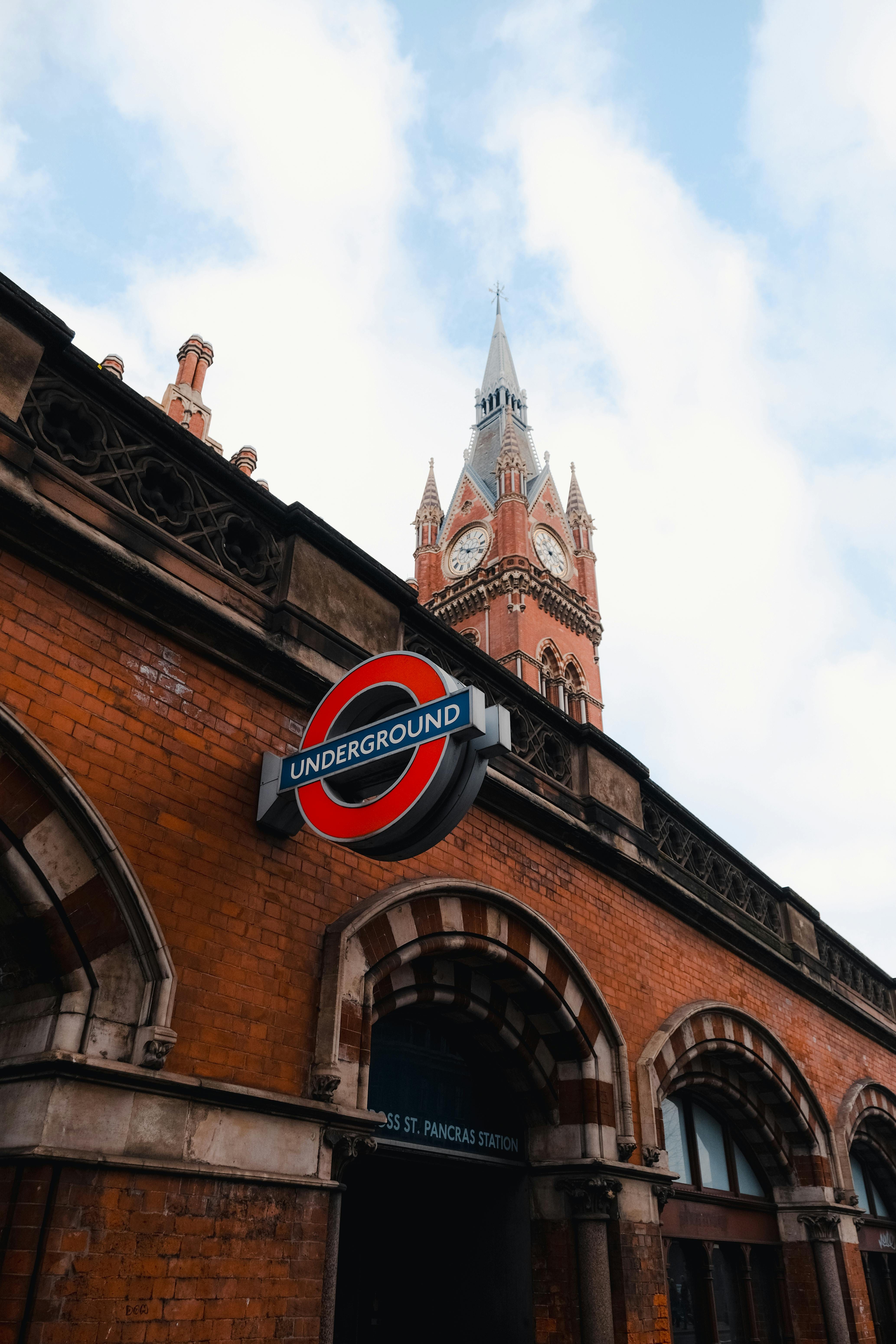
King's Cross: London's Most Successful Urban Transformation
Ten years ago, suggesting King's Cross as a place to live would have gotten strange looks. Today, it's where London's most forward-thinking young professionals choose to base themselves. The transformation has been remarkable, and the momentum continues building.
When my colleague James moved to a new-build apartment near King's Cross last year, I was sceptical about the area's social scene. Six months later, he's hosting dinner parties with neighbours who work at Google, Meta, and Universal Music. The community that's emerged around the new developments feels genuinely connected.
What makes King's Cross different:
This is London's newest neighbourhood, designed from scratch for modern professional life. The apartment buildings include proper amenities – gyms, roof terraces, concierge services, coworking spaces. It's like living in the future version of London housing.
Coal Drops Yard serves as the area's social heart. This beautifully converted Victorian space houses everything from casual coffee shops to upmarket restaurants. The outdoor spaces host events throughout the year. It feels like a small town square in the middle of London.
Professional opportunities: The concentration of major employers is staggering. Google, Meta, Nike, Universal Music, and The Guardian all have significant presences. Your networking happens naturally – bumping into innovation leaders in the local coffee queue, joining impromptu after-work drinks with people shaping London's creative and tech industries.
Transport supremacy: Six Underground lines converge at King's Cross station. You can reach any part of London quickly and easily. National rail services connect you to the rest of the UK. If you travel for work, having Eurostar access is incredibly convenient. This might be London's best-connected neighbourhood.
The investment case: Yes, rent is higher – £1,000-1,400 for premium shared spaces, £2,200-3,500 for one-bedroom apartments. But consider what you're paying for: zero commute time, world-class networking opportunities, brand-new amenities, and location in one of London's fastest-growing business districts.
The reality check: This is still a developing area. Some streets feel quiet in the evenings. The restaurant scene, whilst improving, isn't as diverse as established neighbourhoods. You're betting on continued growth rather than proven long-term community.
Next week in Part 3: We'll explore two neighbourhoods that prove you don't need to break the bank for great London living – Canary Wharf for finance professionals and Brixton for culture lovers. Plus, I'll reveal the budget-friendly alternatives that smart professionals are discovering.
Question for readers: Have you lived in or considered any of these three areas? What's been your experience with London's most popular young professional neighbourhoods? Share your stories in the comments – I love hearing different perspectives on these areas.