
Episode 6: Mental Clarity in the Chaos
How Less Stuff Creates More Headspace

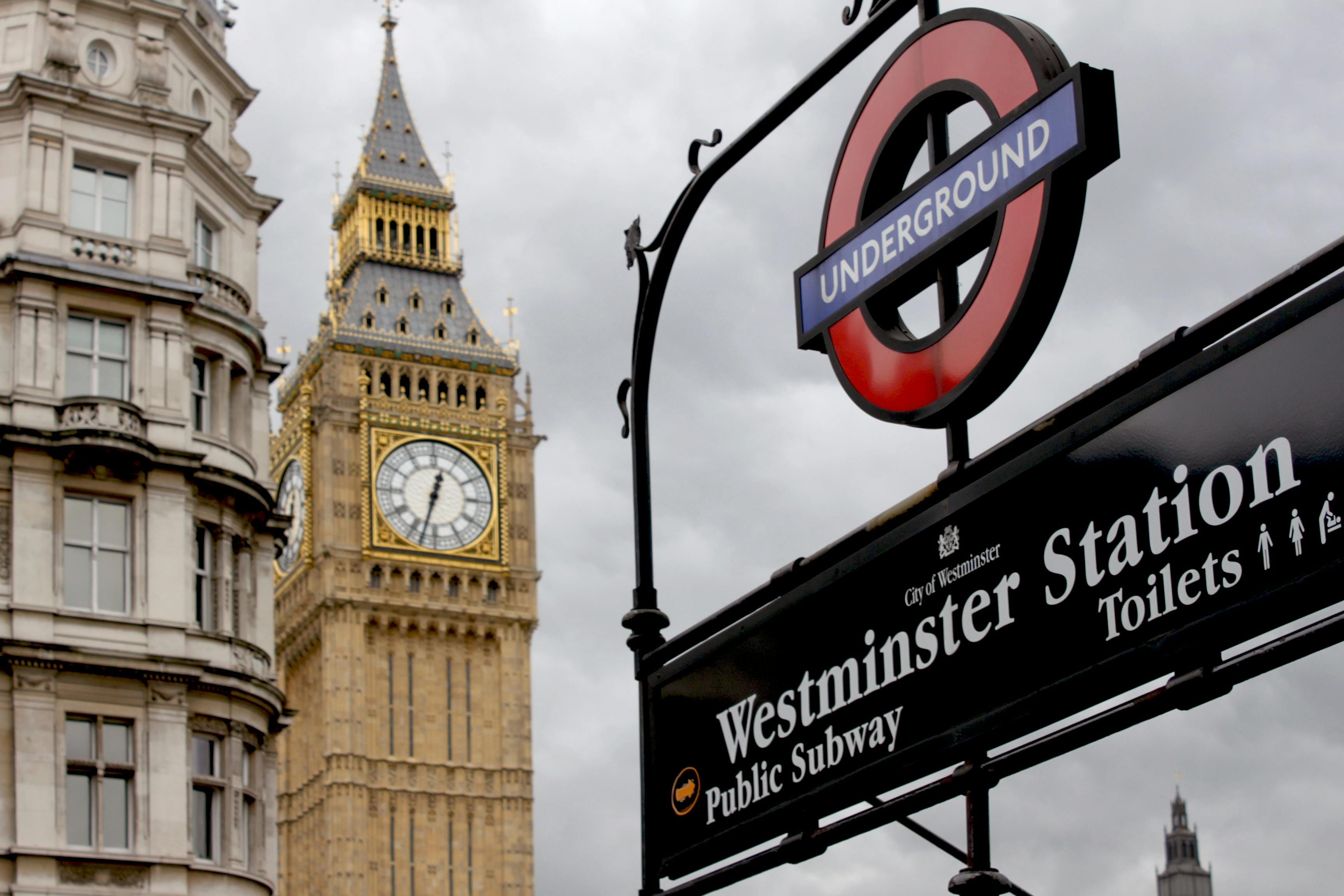
Living in London can feel like your brain is constantly running a marathon whilst juggling flaming torches. The city’s wonderful chaos, crowded tubes, constant stimulation, endless choices can be exhilarating and exhausting in equal measure.
This week, I want to share something that genuinely surprised me: how dramatically reducing my possessions improved my mental clarity amidst London’s beautiful madness.
The Hidden Stress of Stuff
Clutter raises cortisol levels in your body without you realising it. Every time you scan a messy surface, your brain processes hundreds of items, making micro-decisions about each one. It’s like running background software that slowly drains your mental battery.
I discovered this when I cleared my bedside table completely, keeping only a lamp, book, and water glass. The difference was immediate—I slept better and woke up calmer. My brain wasn’t working overtime processing visual noise before I’d even had my morning coffee.
Decision Fatigue is Real (And Expensive)
The average person makes 35,000 decisions per day. In London, that number feels conservative which tube line, which coffee shop, which route through tourist-clogged streets. Every possession you own adds to this decision load.
When you own fewer clothes, getting dressed takes minutes instead of the 20-minute wardrobe wrestling match many of us know too well. When you have fewer possessions, tidying becomes quick and satisfying rather than overwhelming.
This isn’t just about convenience; it’s about preserving mental energy for decisions that actually matter. Do you want to spend brain power choosing between 15 similar t-shirts, or save that energy for your work, relationships, and London adventures?
The Sanctuary Effect
After navigating London’s gloriously intense streets—dodging tourists in Covent Garden, squeezing onto packed tubes, processing the sensory overload of markets and traffic—you need somewhere to properly decompress.
A minimalist space becomes this sanctuary naturally. Clean surfaces rest your eyes. Organised storage calms your mind. The absence of visual competition allows your nervous system to actually relax.
I used to think my flat needed to be stimulating and full of interesting objects. Now I realise home should be the antidote to London’s stimulation, not an extension of it.
Mindfulness Through Subtraction
Minimalism isn’t about deprivation—it’s about intention. When you choose to keep fewer items, you become more aware of what remains. You notice the texture of your favourite jumper, the perfect weight of a well-made mug, the way morning light hits your clear surfaces.
This awareness spills over into other areas. You become more present with friends because you’re not distracted by managing endless possessions. You enjoy meals more because you’re not stressed about the washing-up pile. You sleep better because your bedroom is a calm retreat rather than a storage facility.
The London Advantage
London’s intensity actually makes minimalism more powerful, not less. When external stimulation is high, internal simplicity becomes more valuable. When the city provides endless options, having fewer choices at home feels like relief rather than restriction.
Your minimal flat becomes base camp for London adventures rather than another source of overwhelm. You spend less time managing stuff and more time exploring this incredible city.
This Week’s Mental Health Challenge
Choose one surface in your home—your desk, kitchen counter, or coffee table—and clear it completely. Leave it empty for three days.
Notice how this single clear surface affects your mental state. Does your stress level change when you look at it? Do you feel more focused when working nearby?
After three days, slowly add back only items you actively use on that surface. Pay attention to the moment when it starts feeling cluttered again—this is your personal threshold for visual calm.
Next week, we’re tackling one of the biggest minimalism challenges: what to do when London life throws curveballs that make you question whether you own enough stuff.
How does clutter affect your mental state? Share your experiences in the comments -I’m fascinated by how differently we all respond to our environments.