
Walthamstow, Leyton and Hackney Wick: East London's Best Value Neighbourhoods in 2026
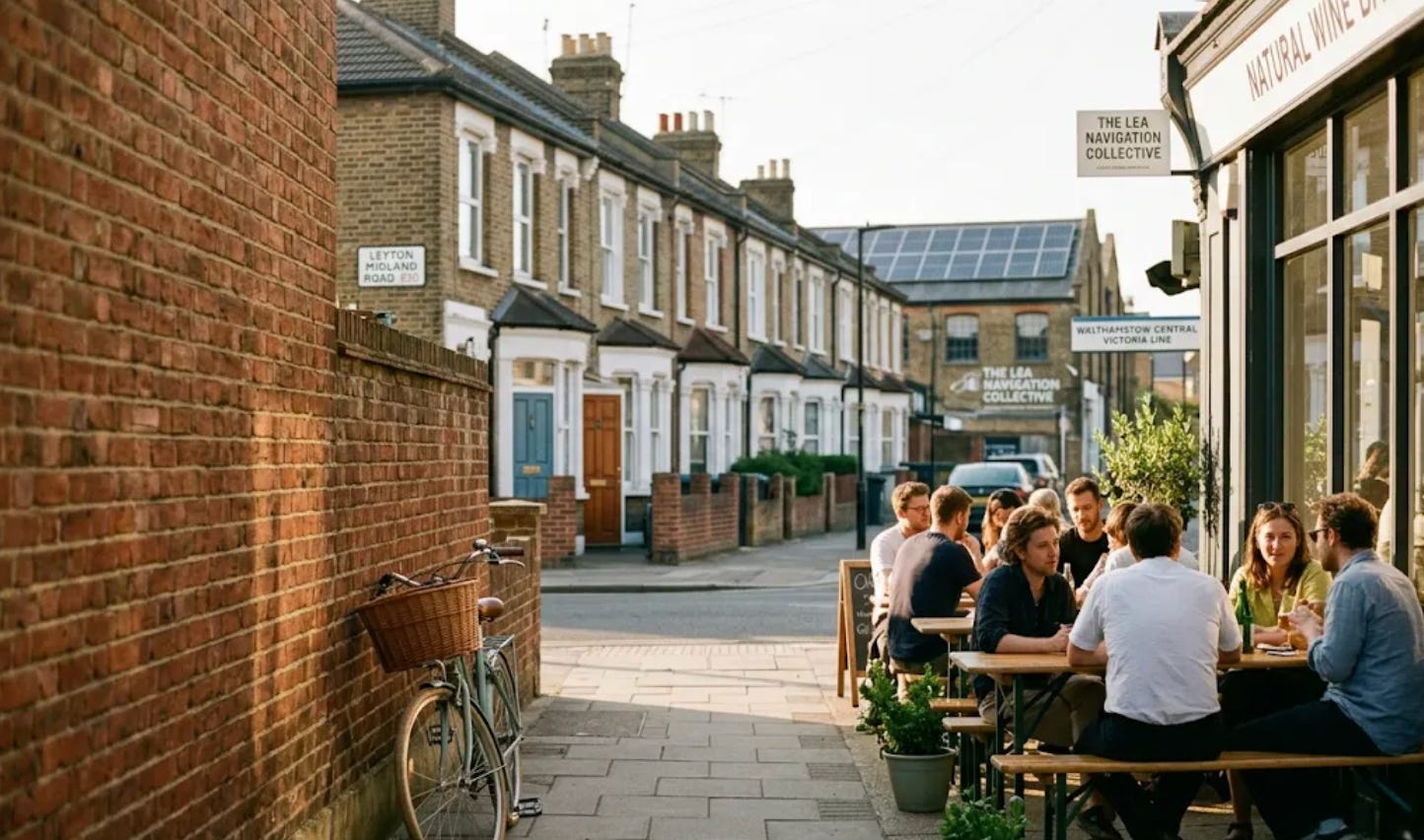
Please note: Property prices and rental figures reflect market data available in May 2026 and are approximate. This is not financial or property advice. Always conduct your own research and consult qualified professionals before making any property decision.
If you moved to London in the last five years and chose East London, you probably know this feeling: watching the neighbourhood you picked start to get expensive. Shoreditch is long gone. Bethnal Green, Hackney, even Clapton — all beloved, all increasingly unaffordable for people at the start of their careers or growing their families.
The next wave of East London is already happening, and it’s happening in E17, E10, and E9.
Walthamstow has gone from an afterthought to a genuinely desirable neighbourhood in the space of a decade — and it’s still not finished arriving. Leyton, immediately to the south, is the one that savvy East Londoners are watching right now: Victoria and Central line access, lower prices than Walthamstow, a high street with real independent character. And Hackney Wick, tucked between the Olympic Park and the canal, is the last great creative stronghold in Inner East London — warehouses turned studios, community saunas, and a neighbourhood that still feels like it belongs to the people who built it.
These three East London neighbourhoods are different from one another in character and vibe. What they share is value, community, and a genuine sense that they’re going somewhere.
Walthamstow: The One That’s Already There
Walthamstow has completed most of its transition. Walthamstow Village — the cobbled streets and period houses behind the main high street — has become one of the most sought-after residential areas in East London, with properties regularly selling for £600,000–£700,000. But move slightly outside the Village, and the story changes.
Along Wood Street and the surrounding streets, two-bedroom flats are available to buy from around £400,000–£500,000. Rents across Waltham Forest borough average £1,753 per month (March 2026), making it meaningfully cheaper than neighbouring Hackney (where rents average £2,598) for broadly equivalent Central London access.
The transport situation is the key to Walthamstow’s appeal. Walthamstow Central offers both the Victoria line (ten minutes to Oxford Street) and Overground connections. For anyone who needs to be somewhere in Central London quickly, it’s one of the best-connected Zone 3 locations in the city.
The cultural pull is real. Walthamstow Market — Europe’s longest outdoor market, running along Walthamstow High Street — is one of the city’s great un-touristy institutions. The William Morris Gallery, one of the best free museums in East London, brings a genuine cultural anchor. The food scene has been improving steadily, with independent cafés and restaurants opening along Hoe Street and Wood Street at an encouraging pace.
The honest caveat: Walthamstow has been gentrifying long enough that genuine bargains are rarer than they were. The Village is now expensive. The rest of Walthamstow is still good value by London standards, but the window is narrowing, and anyone serious about buying should move sooner rather than later.
Leyton: The One That’s Still Arriving
Leyton (E10) is the neighbourhood for people who’ve done their homework. Victoria line access via Walthamstow Central is a short bus or cycle ride away. The Central line runs through Leyton station itself. And property prices are still lower than Walthamstow: two-bedroom flats typically sell from around £350,000–£450,000, and one-bedroom flats can be found in the £280,000–£350,000 range.
Leyton Midland Road is the emerging food and social strip — independent cafés, natural wine bars, and new restaurant openings that suggest a neighbourhood building its own identity rather than borrowing someone else’s. The energy here is not yet fully formed, which is precisely the point. Leyton in 2026 is where Walthamstow was five or six years ago.
The community feel is strong. Leyton has a genuine multicultural character — long-established South Asian, West African, and Caribbean communities, now joined by the young creative professionals who are its next chapter. Proximity to the Olympic Park means access to one of London’s finest leisure facilities: the Aquatics Centre, the Velodrome, the Athletics track, and extensive green space.
Rental yields in Leyton typically sit between 4.5% and 5.2% — among the stronger returns in Inner East London. Waltham Forest borough saw 2.6% year-on-year house price growth to February 2026, showing steady rather than dramatic appreciation.
The honest truth: Leyton doesn’t yet have Walthamstow’s restaurant depth or its cultural institutions. The high street has some gaps. But the bones are right, and the timing feels genuinely early. For first-time buyers especially, this matters enormously.
Hackney Wick: The Last Creative Stronghold
Hackney Wick is different from the other two in an important way: it is not a residential neighbourhood that is becoming interesting. It is an interesting neighbourhood that is slowly, despite everyone’s best efforts, becoming residential.
The warehouses along the canal and the Lea Navigation are studios, venues, and creative workspaces housing hundreds of artists, makers, and music producers. The sauna scene here is community-led: Community Sauna Baths operates its Hackney Wick site near the Olympic Park and has become a social institution in the neighbourhood. The canalside cycling and walking routes connect to broader East London networks and to Victoria Park.
Renting in Hackney Wick has become more expensive than Leyton — the average sits closer to Hackney’s borough average of £2,598. Buying is expensive by East London standards; conversion warehouse flats often come with significant service charges and can reach £500,000+ for a one-bedroom. But the lifestyle proposition is unique: a canalside neighbourhood with genuine creative energy, excellent cycling connections to Central London, and a community that is unlikely to be replicated once it’s gone.
The honest caveat: Hackney Wick is changing faster than the community there would like. New residential developments are arriving, and pressure on studio spaces is real. If you want to be part of what it is rather than what it will become, the time is now.
How to Choose Between Them
Walthamstow is best for families, buyers who can stretch to its higher end, and anyone who values fast Victoria line access and a mature cultural scene. Budget £400,000–£600,000 to buy; from £1,700 to rent a one-bed.
Leyton is best for first-time buyers seeking value, renters who want East London character at lower price points, and anyone willing to be a little early to a neighbourhood that is clearly going somewhere. Budget from £280,000 to buy a one-bed; from £1,400–£1,600 to rent.
Hackney Wick is best for creatives, people working in the arts, and those who specifically want a canalside, community-led lifestyle. Budget from £500,000+ to buy; from £1,800–£2,000 to rent.
East London’s best value neighbourhoods in 2026 are not difficult to identify. Walthamstow has arrived and is still worth choosing. Leyton is where Walthamstow was five years ago — which is to say, somewhere worth moving to now, before everyone else catches up. And Hackney Wick offers something that can’t be engineered: a genuine creative community, canalside, in the middle of a city that’s actively losing its margins to money.
If you’re choosing East London, choose with your eyes open. The window is there. Use it.
FAQs
Q: Is Walthamstow still affordable in 2026?
A: It depends on where. Walthamstow Village is now expensive by East London standards. The wider E17 postcode offers better value, with one-bedroom flats available from around £1,500 per month to rent and from around £380,000 to buy.
Q: How long does it take to get to central London from Leyton?
A: The Central line from Leyton station takes approximately 15 minutes to Bank and around 20 minutes to Oxford Circus with a change at Mile End. It’s a very commutable location for the price.
Q: Is Hackney Wick good for families?
A: Hackney Wick is primarily a young professional and creative neighbourhood. Family-friendly infrastructure is less developed than in Walthamstow or Leyton, though proximity to the Olympic Park’s leisure facilities is a genuine plus.
Q: What is Walthamstow Village?
A: Walthamstow Village is a residential conservation area within Walthamstow, characterised by Victorian and Edwardian houses on cobbled and tree-lined streets. It has some of East London’s most desirable residential streets and commands premium prices within the wider Walthamstow area.
Q: Are there good schools in Leyton?
A: Leyton has improved its school provision over recent years. Several primary schools in the area are rated Good by Ofsted. As with all London schools, it’s important to check specific catchments when choosing where to live.
Q: How does the Elizabeth line affect these areas?
A: The Elizabeth line doesn’t run directly through Walthamstow, Leyton, or Hackney Wick. However, Stratford on the Elizabeth line is close to all three, and has contributed to rising desirability and property values across wider East London.
Q: What is the rental yield like in Leyton for investors?
A: Leyton typically offers rental yields between 4.5% and 5.2%, among the stronger yields in Inner East London. Rising rents and still-accessible purchase prices make it attractive for buy-to-let investors in 2026.
Q: Is Hackney Wick canalside?
A: Yes. Hackney Wick sits alongside the Lee Navigation canal, and cycling and walking along the towpath is one of the genuine pleasures of living there. The canal connects to broader East London cycling routes and to Victoria Park.
Q: What’s the best thing about living in Walthamstow?
A: The Victoria line makes Central London genuinely quick — ten minutes to Oxford Street. The William Morris Gallery is exceptional. Walthamstow Market is one of London’s great un-touristy institutions. And the Village streets are beautiful.
Q: Is East London a good investment in 2026?
A: East London has historically shown strong capital appreciation, driven by regeneration, transport upgrades, and demographic change. Waltham Forest borough showed 2.6% year-on-year house price growth to February 2026. The fundamentals remain positive, though individual circumstances and investment timescales always matter.
DISCLAIMER
**Important:** This article reflects my personal experience and independent research about the London property market. It is not financial, legal, mortgage, or investment advice. Property prices and market conditions change constantly. Always speak to a qualified solicitor, FCA-regulated mortgage broker, and chartered surveyor before any property decision.
Destined for London shares my personal experiences, opinions, and independent research. Everything I write reflects what I’ve found to be true at the time of publishing — but London changes constantly, and what works for me may not work for you. Always do your own research and seek qualified professional advice before making decisions about property, finance, schools, healthcare, or anything else that matters. Some links in my posts are affiliate links, meaning I may earn a small commission at no extra cost to you. Sponsored content is always clearly labelled.