
Weekends in London: The Ultimate Itinerary for Visitors and New Residents
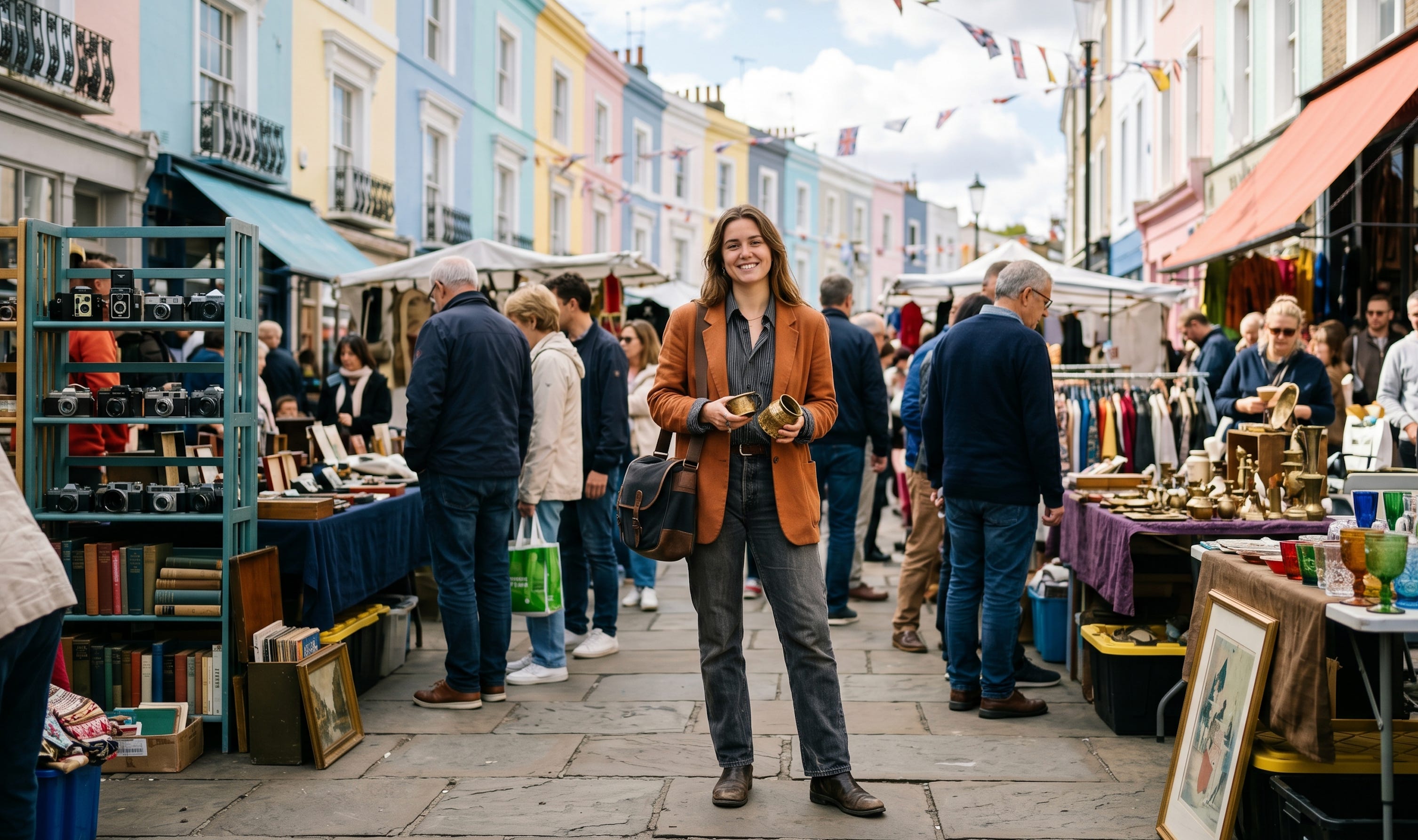
There’s a particular kind of Friday afternoon feeling in London. The week is done. Two whole days stretch ahead. And the city — one of the most extraordinary places on earth — is right outside your door.
But where do you start? London is vast. It has 32 boroughs, thousands of restaurants, hundreds of museums, dozens of markets, and enough parks to spend a lifetime exploring. For first-time visitors, the choice is paralysing. For new residents, the challenge is different: how do you move beyond the tourist trail and find the city that Londoners actually love?
This guide gives you both. A framework for a brilliant London weekend — whether it’s your first visit or your hundredth. It’s built around the principle that the best London weekends mix the iconic with the unexpected, the free with the affordable, and the busy with the slow.
Ready? Here’s your London weekend.
Saturday Morning: Markets and Neighbourhoods
Saturday morning in London belongs to the markets. They are where the city comes alive — colour, noise, food, and an extraordinary cross-section of humanity all in one place.
Portobello Road Market: West London’s Iconic Start
Portobello Road Market in Notting Hill is one of London’s most famous Saturday institutions. It runs the length of Portobello Road, shifting character as you walk: antiques at the south end near Notting Hill Gate, street food and vintage clothing in the middle, and a more local fruit-and-veg market at the north end near Ladbroke Grove.
Arrive before 10am to beat the crowds and get first pick of the antique stalls. The surrounding streets — pastel-coloured terraces, independent boutiques, excellent coffee shops — make this one of the most photogenic corners of London. Allow two to three hours.
Opening hours: Saturdays, 9am–6pm (antique stalls typically finish around 1pm). Check before visiting as times vary seasonally.
Borough Market: The Food Lover’s Cathedral
If food is your priority, Borough Market near London Bridge is unmissable. Open Thursday to Saturday, it brings together artisan producers, international food stalls, and some of the best street food in the UK. Arrive hungry. Leave with a bag of cheese, bread, and something you’ve never tried before.
The surrounding area — Bermondsey Street, Maltby Street Market (also Saturday mornings) — extends the experience into one of London’s most interesting food and drink districts.
Opening hours: Thursday–Friday 10am–5pm; Saturday 8am–5pm.
Brick Lane: East London’s Cultural Quarter
Brick Lane Market officially runs on Sundays, but the area around it — Spitalfields, Shoreditch, Columbia Road Flower Market (Sunday) — is worth a Saturday morning wander too. Independent coffee shops, vintage clothing stores, street art, and the extraordinary mix of communities that have called this corner of East London home make it endlessly engaging.
Saturday Afternoon: Culture and Parks
London’s museums are largely free. This is not a small thing. The British Museum, National Gallery, Tate Modern, Natural History Museum, Science Museum, Victoria & Albert Museum — all free, all world-class, all within easy Tube reach.
Choose One Museum and Give It Time
The biggest mistake is trying to do too many museums in one day. Choose one and give it proper attention.
The British Museum for ancient civilisations and history. Tate Modern for contemporary art in a stunning converted power station on the South Bank. The V&A for design, fashion, and decorative arts — one of the most beautiful buildings in London. The Natural History Museum for families, awe, and the extraordinary dinosaur gallery.
If you want something smaller and less overwhelming, try the Sir John Soane’s Museum in Holborn (free, astonishing, totally unlike anywhere else) or the Wallace Collection in Marylebone (free, Old Masters in a beautiful townhouse).
Afternoon in a London Park
London’s parks are genuinely among its greatest assets. Hyde Park and Kensington Gardens form one vast green space in the centre — big enough to lose yourself in, with the Serpentine Gallery and Serpentine Lake as focal points. Regent’s Park offers formal gardens, an open-air theatre in summer, and fine views of Nash’s Regency terraces.
For something less central but more special, Hampstead Heath gives you wild swimming in the ponds, panoramic views of the city from Parliament Hill, and a genuine sense of countryside within twenty minutes of central London.
Saturday Evening: Dinner and Theatre
London’s restaurant scene is one of the world’s best. The city’s multiculturalism means extraordinary variety — from Soho’s Chinatown to Brixton’s Caribbean food, from Brick Lane’s Bangladeshi restaurants to Marylebone’s Lebanese cafés.
Where to Eat on Saturday Night
For a first London dinner, Soho is the obvious choice — dense with restaurants across every cuisine and price point, with a lively atmosphere that’s quintessentially London on a Saturday night. Carnaby Street and the surrounding streets offer everything from Japanese ramen to Italian small plates.
For something more neighbourhood and less touristy, try Exmouth Market in Clerkenwell, Broadway Market in Hackney (bar-heavy on Saturday evenings), or Tooting for incredible South Asian food at very reasonable prices. Dishoom — with branches in Shoreditch, King’s Cross, Kensington, and Covent Garden — remains one of the most-loved restaurants in London and a reliable first-night choice.
West End Theatre
If you’re visiting London for the first time, a West End show is worth doing at least once. The quality is consistently high. Tickets range from around £25 for returns to £100+ for premium seats. Check TKTS on Leicester Square for same-day discount tickets, or book ahead for the most popular shows.
For something different, try a smaller fringe venue — the Donmar Warehouse, the Almeida in Islington, or the Young Vic in Waterloo — for theatre that’s often more adventurous and more intimate.
Sunday: Slower, Local, Longer
Sunday in London has a different rhythm. The city wakes up slower. Markets start earlier. Brunches stretch longer. It’s a day for wandering without a plan.
Sunday Morning: Columbia Road Flower Market
Columbia Road Flower Market in Bethnal Green is one of London’s most beloved Sunday rituals. From around 8am, a single street transforms into a riot of colour and scent — hundreds of flower, plant, and bulb stalls filling the air with the smell of cut flowers and the sound of East End market banter. Arrive early for the best selection. Stay for coffee and brunch at one of the surrounding cafés and independent shops.
Opening hours: Sundays, 8am–3pm.
Alternatively, Maltby Street Market in Bermondsey (Saturday and Sunday mornings) is a smaller, more local option with excellent food producers and a genuine neighbourhood feel.
Sunday Afternoon: A Neighbourhood Walk
Dedicate Sunday afternoon to one neighbourhood you haven’t yet explored. Each has its own character:
Hampstead: Georgian village atmosphere, independent bookshops, excellent pubs, and Hampstead Heath on the doorstep.
Peckham: South London’s most creative neighbourhood, with Peckham Levels (a multi-storey car park converted into studios and bars), and a diverse, community-focused high street.
Richmond: Where London meets the countryside. Richmond Park, the Thames towpath, and the village green feel miles from Zone 1 — and yet you can be there in 35 minutes on the District line.
Greenwich: Maritime history, the Cutty Sark, the Royal Observatory, and the park’s hilltop views of the City make this one of London’s essential excursions.
Sunday Evening: The Pub
End your weekend the London way: in a pub. Not a chain pub, not a hotel bar. A proper local — the kind with low ceilings, real ale, and Sunday roasts that disappear by 3pm.
The Churchill Arms in Kensington is famous for its flower-covered exterior and Thai food served inside a Victorian pub. The Prospect of Whitby in Wapping is one of London’s oldest riverside pubs. The Holly Bush in Hampstead is the perfect end to a Hampstead afternoon. Whatever your neighbourhood, every local pub has its own personality. Find yours.
The Bottom Line
A great London weekend doesn’t need a packed itinerary or an expensive budget. It needs curiosity, a good Oyster card, and a willingness to wander.
The city rewards the people who look up, turn down unknown streets, and take time to sit in a park or nurse a pint and watch the world go by. Whether you’re visiting for the first time or settling into London life, the weekends are where the city really opens up.
Start somewhere. The rest will follow.
FAQs
How much does a London weekend typically cost?
It varies enormously. If you stay in budget accommodation, use an Oyster card for transport, visit free museums, eat at markets, and choose mid-range restaurants, a weekend can cost £150–£250 per person. Hotels and West End dining push costs significantly higher.
What’s the best way to get around London at weekends?
Use an Oyster card or contactless bank card — tap in and out on the Tube, buses, the DLR, and the Overground. A daily price cap applies, so you’ll never pay more than the equivalent of a day Travelcard. Walking between some central areas is often faster and more enjoyable than the Tube.
Are London museums really free?
Yes. The British Museum, National Gallery, Tate Modern, Natural History Museum, Science Museum, V&A, National Portrait Gallery, and many others charge no admission. Some special exhibitions cost extra, but the permanent collections are free.
When do London markets open and close?
Opening times vary and change seasonally — always check before visiting. As a general guide: Borough Market runs Thursday–Saturday (Saturday from 8 am); Portobello Road Market runs Saturdays from 9 am; Brick Lane Market runs Sundays from around 10am; Columbia Road Flower Market runs Sundays from around 8am.
What should first-time visitors prioritise?
For a first visit: one morning at a market, one or two free museum visits, a walk along the South Bank from Westminster Bridge to Tower Bridge, an evening in Soho, and at least one proper pub. This gives you a genuine sense of London without being overwhelmed.
Is London safe for tourists? London is generally safe. Exercise the normal precautions of any major city: be aware of your surroundings, keep valuables secure, and be cautious in very crowded places. The Tube and buses are safe to use at all hours, though common sense applies late at night.
What areas are best for new residents to explore at weekends? Beyond the obvious tourist areas, explore your nearest neighbourhood first. Then branch out borough by borough: Brixton, Peckham, and Deptford in the south; Dalston, Hackney, and Walthamstow in the east; Stoke Newington and Muswell Hill in the north. Each has its own character, markets, and community.
Can I do a day trip from London at the weekend? Absolutely. Brighton is around 50 minutes by fast train from Victoria. Bath is 90 minutes from Paddington. Oxford is 60 minutes from Paddington. Canterbury is under 90 minutes from St Pancras. Day trips make London weekends even more varied.
What’s the best neighbourhood for a relaxed Sunday brunch?
Marylebone High Street, Exmouth Market in Clerkenwell, Broadway Market in Hackney, and Northcote Road in Clapham all have excellent brunch options. Dishoom (multiple locations) is consistently excellent for a longer, more indulgent brunch.
What does a typical Londoner do at the weekend?
Walk to a coffee shop. Visit a market. Meet friends in a park. See an exhibition. Cook a big meal or try a new restaurant. Watch something at the cinema or theatre. End in a pub. The weekend rhythms of London are deeply social and centred around neighbourhood life. Once you find your neighbourhood and its rhythms, the city starts to feel like home.
Disclaimer
Destined for London shares my personal experiences, opinions, and independent research. Everything I write reflects what I’ve found to be true at the time of publishing — but London changes constantly, and what works for me may not work for you. Always do your own research and seek qualified professional advice before making decisions about property, finance, schools, healthcare, or anything else that matters. Some links in my posts are affiliate links, meaning I may earn a small commission at no extra cost to you. Sponsored content is always clearly labelled.